
Drought and the Longing for Water
The House of Bernarda AlbaDryness, heat, and distant water form an imagery of deprivation that contrasts with the fertility and movement the women desire.
increasing Bearing strength in each event
 decreasing
Bearing strength in each eventdecreasingA Village Without a River
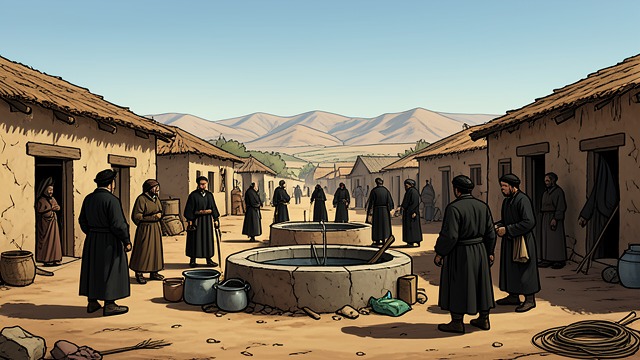
A Village Without a River
A Dry Landscape
Bernarda describes the village as a place without a river, where people rely on wells and fear poisoned water. The setting suggests material and emotional scarcity.
A Community Without Flow
The image connects the village’s aridity to its rigid customs. Feelings and choices circulate only as rumor, not as free movement.
Heat in the Sewing Room
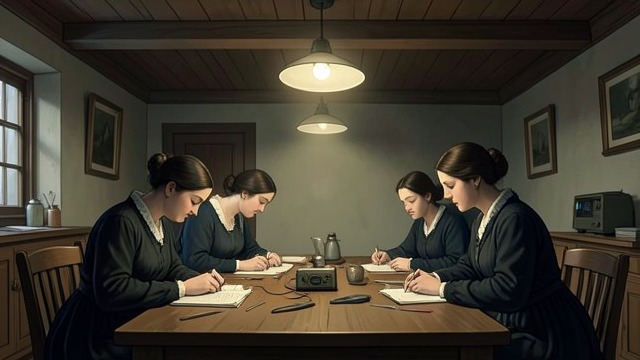
Heat in the Sewing Room
Bodies Under Pressure
The sisters complain of oppressive heat as they sew. The weather intensifies the physical discomfort of a life spent indoors.
Nature Outside the Rules
The heat gives the house a charged, restless atmosphere. The daughters’ unspoken desires feel continuous with forces outside the walls that their mother cannot command.
The Desire for Coolness
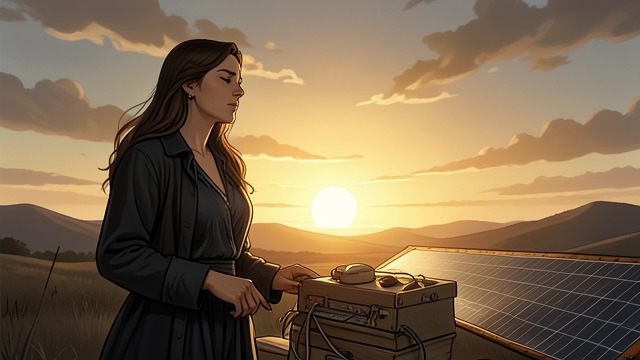
The Desire for Coolness
An Endless Season
Martirio longs for November, rain, and frost because she cannot bear the summer. Amelia observes that the season will return again.
Repetition Without Renewal
The turn of the seasons does not promise relief; it suggests the return of the same conditions. The women remain trapped in cyclical time as well as physical heat.
The Shore Imagined
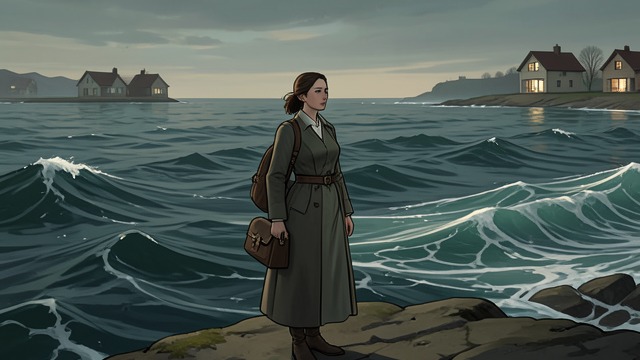
The Shore Imagined
Water as Escape
María Josefa imagines going to the shore, where houses are open and waves move freely. The sea offers a world unlike the dry village and closed home.
Fertility and Freedom
Her references to children and foam make water an image of life continuing. The fantasy reveals how strongly the household lacks the movement and renewal she imagines.
Thirst in the Courtyard
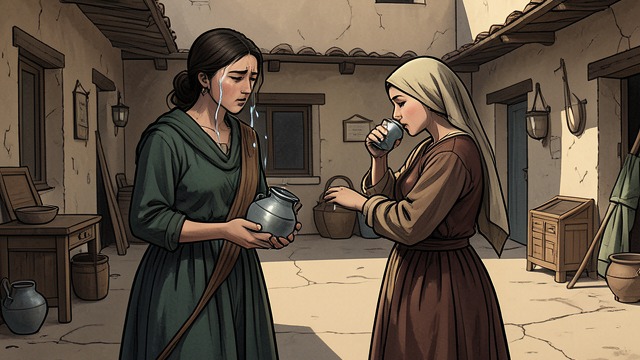
Thirst in the Courtyard
A Drink of Water
Adela enters saying that she is thirsty, and Martirio also drinks water before leaving. Their gestures recur as the household’s tensions rise.
Bodily Need and Emotional Lack
The repeated thirst links physical need with longing for Pepe and a life beyond the house. Water remains a brief comfort rather than a route out.
Act One, after the mourners depart
Act Two, during the afternoon
Act Two, after the harvesters pass
Act Three, during María Josefa’s song
Act Three, during the night
